
Nowadays, individuals who spend long periods of time in closed areas may experience various health problems. The source of these health problems may sometimes be a condition called “Sick Building Syndrome” (SBS). So, what is sick building syndrome and how can this condition be dealt with? Here are the details:
What is Sick Building Syndrome?
Sick building syndrome is a condition that causes certain health problems to occur in individuals inside a building. Most of the time, it is caused by the air quality and environmental factors inside the building. The most important feature of the syndrome is that the symptoms ease or disappear completely when the building is left outside.
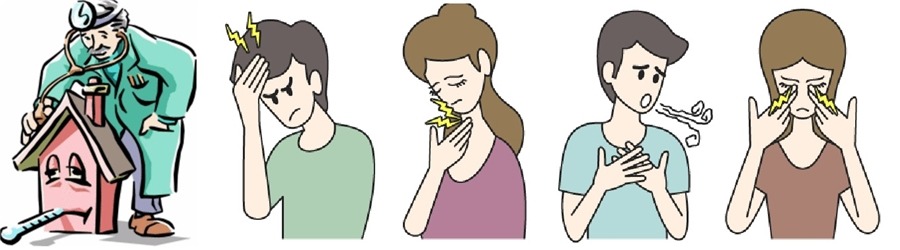
Symptoms of Sick Building Syndrome
The following symptoms may be observed in individuals experiencing sick building syndrome:
- Headache
- Burning and watering of the eyes
- Throat and nose irritation
- Dryness and itching of the skin
- Difficulty in concentration
- Fatigue and weakness
- Respiratory problems
- Nausea
These symptoms are directly related to the air quality inside the building, the ventilation system and the building materials used.
Causes of Sick Building Syndrome
Inadequate Ventilation: Low air exchange rate in closed spaces causes dirty air to accumulate inside.
- Chemical Pollutants: Volatile organic compounds (VOCs) emitted from paint, cleaning products and furniture used in buildings can reduce air quality.
- Biological Pollutants: Biological pollutants such as mold, bacteria and pollen can irritate the respiratory tract.
- Electronic Devices and Artificial Light: Long-term exposure to electronic devices can cause eye strain and headaches.
- High Humidity and Poor Insulation: Excessive humidity can cause mold growth and trigger respiratory diseases.
- Solution Suggestions Against Sick Building Syndrome
Regular Ventilation: It is important to adequately ventilate buildings and ensure clean air circulation. - Using Air Purifiers: Air purifiers with HEPA filters can reduce harmful particles in the air.
- Reducing Chemical Use: VOC-free paints, natural cleaning materials and organic furniture should be preferred.
- Regular Maintenance and Cleaning: Ventilation systems should be cleaned regularly and dust accumulation inside the building should be prevented.
- Natural Air Purification with Plants: Indoor plants can improve air quality by absorbing toxins from the air.
Conclusion
Although sick building syndrome is seen as an inevitable problem of modern life, it is possible to prevent this situation with some precautions. In order to create a healthy living space, ventilation of buildings, use of low-chemical materials and regular maintenance are of great importance. If you are experiencing these symptoms, you can review your work or living space and take the necessary precautions.